Search engine optimization plays a critical role in online visibility, but the strategy differs depending on the type of website. While traditional SEO focuses on informational or service-based websites, e-commerce SEO is built specifically for online stores that sell products.

Understanding these differences helps businesses choose the right approach and achieve better results.

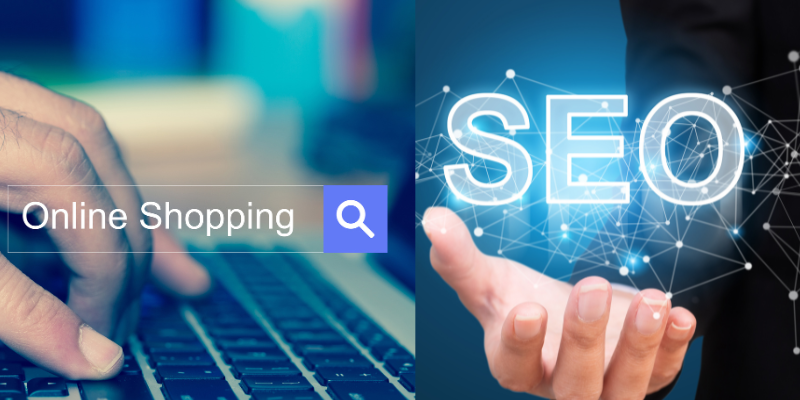
Ecommerce SEO vs normal SEO comparison

What Is Traditional SEO?

Traditional SEO focuses on improving rankings for websites that provide information or services. Examples include blogs, corporate websites, consultants, and local service providers.

Main Goals:

  • Increase organic traffic
  • Build authority and trust
  • Rank service and blog pages
  • Generate leads and inquiries

It relies heavily on content marketing, keyword-optimized articles, and backlink strategies.

What Is E-commerce SEO?

E-commerce SEO is designed for online stores. It focuses on optimizing product pages, category pages, and the overall shopping experience to drive sales.

Main Goals:

  • Increase product visibility
  • Attract buyers with purchase intent
  • Improve conversion rates
  • Optimize large product inventories

It combines technical SEO, product optimization, and conversion-focused strategies.

Major Differences Between E-commerce SEO and Traditional SEO

Factor Traditional SEO E-commerce SEO
Primary Objective Traffic & leads Sales & revenue
Page Types Blogs, service pages Product & category pages
Keyword Intent Informational Transactional
Content Focus Guides, articles Product descriptions
Site Structure Simple Complex with filters & variations
Technical Demand Moderate High

1. Keyword Strategy

Traditional SEO often targets informational queries such as:

  • “How to improve website traffic”
  • “Best marketing strategies”

E-commerce SEO focuses on buyer-intent keywords such as:

  • “Buy wireless headphones online”
  • “Men’s leather jackets under $200”

Online stores must also optimize for:

  • Product variations
  • Brand searches
  • Long-tail commercial queries

Search intent plays a bigger role in e-commerce SEO because it directly impacts revenue.

2. Content Strategy

Traditional SEO depends heavily on blog content and long-form articles to build authority.

E-commerce SEO requires:

  • Optimized product titles
  • Unique product descriptions
  • Internal linking between categories
  • Buying guides and FAQs
  • Structured data markup

Content supports sales rather than just traffic.

3. Technical SEO Complexity

Traditional websites typically have fewer pages and a simpler structure.

E-commerce websites often manage:

  • Hundreds or thousands of product pages
  • Duplicate content issues
  • Faceted navigation
  • URL parameters
  • Site speed challenges

Technical SEO becomes more critical as store size grows.

4. Conversion Focus

Traditional SEO success metrics include:

  • Traffic growth
  • Lead submissions
  • Engagement time

E-commerce SEO measures:

  • Revenue
  • Conversion rate
  • Cart additions
  • Average order value

User experience, checkout optimization, and trust signals significantly impact performance.

5. Structured Data Usage

E-commerce websites benefit from:

  • Product schema
  • Review ratings
  • Price markup
  • Stock availability

These enhancements improve click-through rates in search results.

Traditional SEO may use schema for articles or FAQs, but product-focused structured data is more central to e-commerce strategies.

Choosing the Right Strategy

If your business provides services or publishes informational content, traditional SEO is ideal for building visibility and generating leads.

If you operate an online store, e-commerce SEO is essential for ranking products and increasing sales.

Many businesses combine both approaches — using blog content to attract informational traffic while optimizing product pages to convert visitors into customers.

Both strategies share the same foundation of search engine best practices, but their execution and objectives differ significantly.

Frequently Asked Questions (FAQs)
What is the main difference between e-commerce SEO and traditional SEO?

Traditional SEO focuses on driving traffic and leads, while e-commerce SEO is designed to increase product visibility and boost online sales.

Yes, e-commerce SEO often involves complex site structures, product variations, and technical optimizations like schema markup and faceted navigation.

Absolutely. Many online stores use traditional SEO for blog content and e-commerce SEO to optimize product and category pages.

It depends on your goals. If you sell products online, e-commerce SEO is essential. If you offer services or publish content, traditional SEO may be more suitable.

Ready to Grow Your Online Visibility?

Whether you need powerful e-commerce SEO to boost product sales or traditional SEO to generate quality leads, the right strategy makes all the difference.

Let OnetechDigital help you build a results-driven SEO plan tailored to your business.


Leave a Comment

Boost Your Organic Search Presence, Get More Customers, Expand into New Markets, and Generate More Revenue with a Mobile-Friendly Website Design.

A Sister Company of Benstay.com

Contact

Best Web & digital Marketing Company in Delhi / NCR.

© Copyright 2023. All Right Reserved by WWW.ONETECHDIGITAL.COM – YOUR PREMIUM DIGITAL PARTNER